Nepal Flood Emergency Relief
A glacier collapsed and swallowed a village whole
8/28/26
A glacier collapsed and swallowed a village whole
8/28/26
On the morning of August 26, a massive flood and landslide struck simultaneously in Nepal’s northern Himalayan mountain region, which borders China. The Bhote Koshi River in the Rasuwa district of Bagmati Province suddenly surged, and muddy water rising up to 10 meters high swept through the narrow gorge and across the village — the whole thing took only a few minutes.
The damage keeps growing. Most of Timure market has been washed away or buried in mud, and around 60 homes in the Trishuli Bazar area were swept away entirely. More than 12 riverside villages and markets have been submerged. Nineteen bridges and 40 km of roads have been cut off, and seven communication towers were destroyed, leaving some villages still unreachable. Fourteen hydropower plants (totaling 748 MW) have shut down, causing widespread blackouts.
As of August 27, at least 356 people are confirmed dead and about 1,400 are missing. Since rescue teams have not yet reached some areas, the death toll is expected to rise further, and at least 10,000 households are estimated to be affected. The Nepali government has declared a three-month disaster area


What makes this disaster unusual is that the flood wasn’t caused by rainfall, but by the melting Himalayan glacier ice. According to Nepal’s Department of Hydrology and Meteorology, there was no significant rainfall in the Rasuwa area either the day before or on the day of the disaster.
According to initial analysis by the International Center for Integrated Mountain Development (ICIMOD), a mass of glacial ice and rock collapsed upstream and blocked the river, and the water that built up behind it then broke through the temporary “dam” all at once. There was no warning and no time to evacuate. One moment: breakfast on the stove, children on their way to school. The next: nothing.
Rasuwa, now underwater, suffered major damage from the same cause just last August. In only a year, disaster has struck again on an even larger scale. Water still remains trapped upstream, and there is an ongoing risk of secondary flooding downstream in the Chitwan and Nawalparasi areas.


The biggest challenge after a disaster is making way to the site itself. With bridges destroyed and roads gone, vehicles carrying relief supplies struggle to reach affected areas. Aid coming from overseas can take days, sometimes weeks to serve its purpose.
What’s needed now isn’t help that has to travel from far away — it’s help that’s already here. Since 2002, Good Neighbors has been on the ground in Nepal, embedded in local communities: building schools, laying clean water lines, running health clinics, and looking after children’s wellbeing year after year.
During the 2015 Nepal earthquake, Good Neighbors delivered emergency relief supplies on-site, ran mobile clinics, and later helped rebuild schools and health facilities. Gorkha and Nuwakot — the areas now receiving support — were among the hardest hit back then. The ground rebuilt together 11 years ago has collapsed again. And once again, local staff mobilized immediately from the day of the disaster.
Setting up temporary housing for families who lost their homes
Providing cooking equipment and basic living supplies
Distributing soap, water purification tablets, etc. to prevent disease
Providing emergency food and drinking water for survival


All 194 sponsored children under Good Neighbors USA live far from the affected areas and have been confirmed safe. However, Good Neighbors is launching a $500,000 emergency relief effort centered on its project sites in Gorkha and Nuwakot, Nepal, among the affected regions.
What displaced people stranded in isolated disaster areas need right now isn’t anything elaborate — emergency food and drinking water to get through the day, and hygiene kits to protect themselves in contaminated conditions, are the most urgent needs. Good Neighbors plans to quickly deliver needed supplies to isolated areas, assess local residents’ needs, and help restore daily life as fast as possible.
Your sponsored child is safe. Won’t you reach out to the ones who aren’t?
Donations will first be used for the Nepal flood disaster relief effort,
and afterward will be carefully used to help people awaiting aid at disaster relief sites around the world.
To mail a check donation:
Pay to: Good Neighbors USA, P.O Box 6086 Orange, CA 92863
Thank you for sponsoring!
Your donation today will be a blessing to our children and community.
No child is selected now!
Please click here to go back and select children to sponsor.
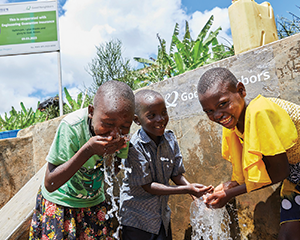
We help children and local residents live in a hygienic environment through clean drinking water, safe sanitation facilities, and education.
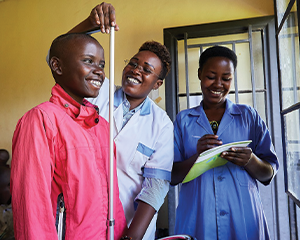
We carry out specialized healthcare programs in areas where a poor health and hygiene environment, as well as the absence of basic healthcare services, prevent people from having a healthy life.
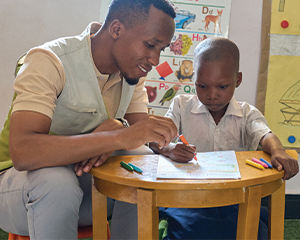
We provide equal opportunities for marginalized children who are excluded due to poverty, child labor, discrimination, and other factors, so that they can receive quality education and dream of a better future.
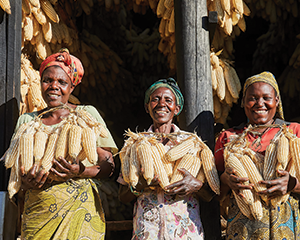
We help people break the cycle of poverty with sustainable and innovative income generation initiatives and assist in the establishment and operation of social enterprises and cooperatives.
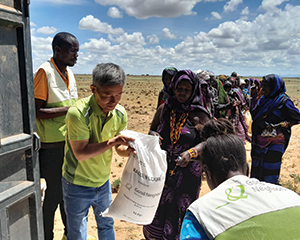
We provide emergency relief and engage in reconstruction activities to help our neighbors who have lost their homes in a moment due to natural disasters and humanitarian crisis.

We are committed to providing safe, secure, and supportive housing for victims of domestic violence and intimate partner violence (IPV)
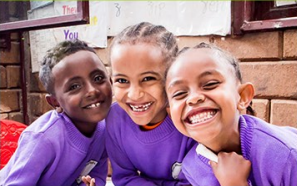

Thank you so much!

ACH Payment is scheduled, takes 4-5 business days to process.
Thank you so much!
Your donation today will be a blessing to our children and community!
 Your donation is 100% secured. We adhere to the guidelines for safeguarding personal information privacy.
Secure Payment. This site is protected by reCAPTCHA and the Google Privacy Policy and Terms of Service apply.
* Recurring donations will be automatically charged using the payment method you provided, until you tell us to stop. You can cancel anytime to avoid future charges by contacting our office.